
 bucr
bucr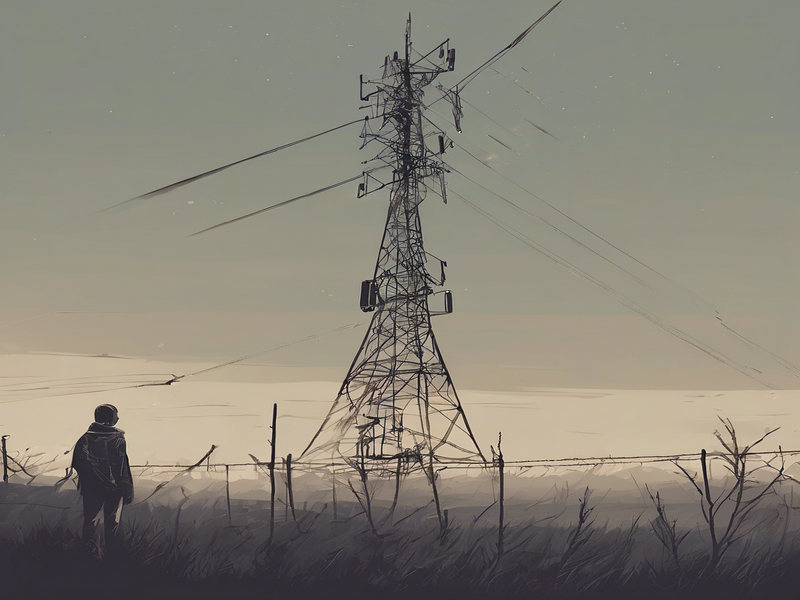
A Tense Standoff: A Distressed Man on a D.C. Radio Tower and the Broader Implications
A seemingly ordinary day in Washington, D.C. morphed into a dramatic scene as a distraught man spent over 24 hours perched atop a radio tower in the heart of the city. The tense standoff, which began late Friday afternoon, unfolded against the backdrop of heightened awareness surrounding mental health crises. As police and first responders worked tirelessly to safely resolve the situation, it illuminated the urgent need for effective emergency response protocols and mental health intervention strategies in urban areas. 🚨
The Incident: A Desperate Climb
Witnesses reported that the man, whose identity remains undisclosed, climbed the radio tower located near the Potomac River around 3 PM on Friday. Concerns grew as he appeared agitated and refused to come down. Emergency personnel quickly created a secure perimeter around the base while monitoring the situation, emphasizing the need to prioritize the individual’s safety above all else. 📺
Classic signs of a mental health crisis were apparent, as distress signals included erratic movements and conversations with officers on the ground. According to the D.C. Metropolitan Police Department, attempts to communicate with the man were initiated early in the standoff, showcasing their commitment to de-escalation.
The Broader Context of Mental Health Crises
This incident throws a spotlight on an increasingly prevalent issue: the intersection of mental health challenges and emergency response. According to the National Alliance on Mental Illness (NAMI), one in five adults experiences mental illness in any given year, yet many go undiagnosed or lack necessary support. For those in crisis, interventions can often be the difference between life and death. 💔
In recent years, a growing body of research has pointed to the essential role of mental health training for police and first responders. Programs that promote collaboration between law enforcement and mental health professionals have been hailed as critical in minimizing fatalities during standoffs and crises. In this case, the operation exemplified a community focused on safety first, even as tension hung in the air.
Community and Health Responses: Looking Forward
The successful conclusion of the standoff occurred shortly after noon on Saturday when the man finally agreed to descend, seeking help instead of prolonging the distress. This outcome is a testament to the importance of patience and communication in mental health crises, illustrating how timely intervention can avert tragedy. 🙏
Policing and Mental Health: A Case for Training
- Specialized Units: Police departments across the nation are increasingly adopting Crisis Intervention Teams (CIT), which consist of officers specifically trained to recognize and respond effectively to mental health issues.
- Collaborative Response: Engaging mental health experts alongside police during crises can provide immediate support for individuals in distress, ultimately aiding in safer resolutions.
- Community Outreach: Creating awareness within neighborhoods about available mental health resources can empower individuals to seek help before a crisis unfolds.
The Legacy of the Incident: An Urgent Call to Action
While the standoff’s conclusion brought relief, it also raises critical questions about how communities can better serve individuals facing mental health challenges. The conversation must shift toward proactive measures: expanding access to mental health services, improving training for first responders, and fostering open dialogues about mental health stigma. The time is now for communities to embrace mental health advocacy, ensuring that no one feels isolated during their times of greatest need. 💪
“This is not just about a man on a tower; it’s about the countless individuals who grapple silently with their struggles. We must recognize these situations as cries for help, urging us to listen and respond with compassion,” emphasized Dr. Sarah Thompson, a clinical psychologist and mental health advocate.
As Washington D.C. reflects on this incident, it serves as a poignant reminder of the fragility of mental health and the need for collective action to create a supportive and responsive community. 🤝







Do we really understand the complexities of mental health crises? Lets dig deeper beyond the headlines. #MentalHealthAwareness #CommunitySupport
Whats the solution to prevent mental health crises like the D.C. radio tower standoff? More community support or stricter regulations? Lets discuss!
Do you think we need more mental health resources in our communities after incidents like this? Lets discuss!
What if we focused on proactive mental health support instead of just reacting to crises like this? Prevention is key.
Do you think mental health crises are adequately addressed in our communities? Im curious to hear your thoughts on this topic!
Shouldnt we be focusing on preventive measures rather than just reacting to mental health crises? Lets address the root causes.
Shouldnt mental health services be more accessible? Its time for action, not just talk. Lets prioritize mental health care.
Should we prioritize mental health resources over emergency response in similar situations? Lets discuss!
Emergency response is crucial for saving lives. Mental health resources can be addressed separately.
Should we prioritize mental health support over criminalization in similar situations? Lets discuss and challenge the status quo.