
 bucr
bucr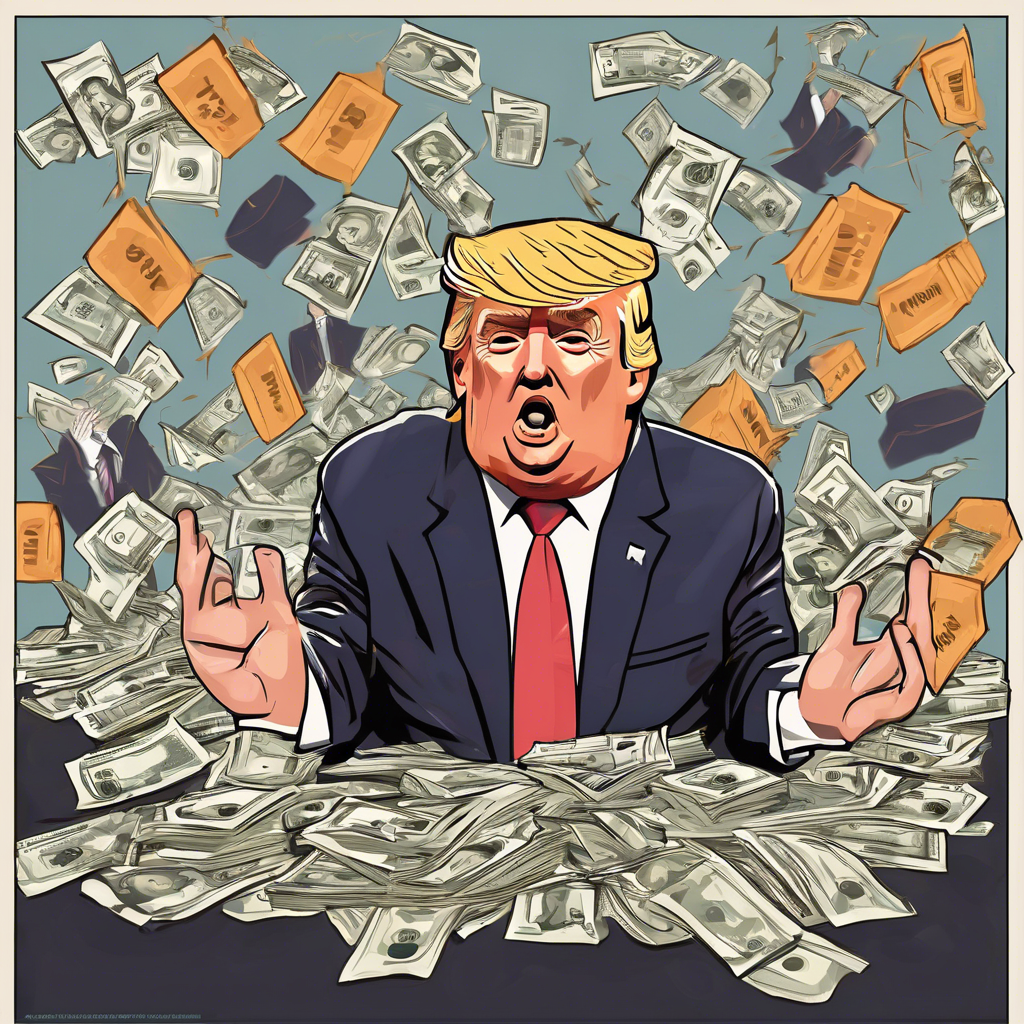
How did Trump’s first 100 days impact your 401(k)? It’s time to look.
One hundred days. A traditional benchmark for measuring a new president’s early performance. While pundits debated policy shifts and executive orders, many Americans had a more pressing question: what did the nascent Trump administration mean for their retirement savings? 🤔
Donald Trump’s first 100 days, spanning from January to April 2017, coincided with a period of market optimism fueled by promises of tax cuts, deregulation, and infrastructure spending. The Dow Jones Industrial Average, a key indicator of market health, climbed steadily. 📈 For many 401(k) holders, this translated into rising account balances. But was this surge directly attributable to Trump’s policies, or were other factors at play? Let’s delve deeper. 🔎
Unpacking the Market’s Response
The stock market’s positive reaction wasn’t solely due to Trump’s election. Global economic growth, particularly in emerging markets, contributed to the upward trend. Furthermore, the Federal Reserve maintained a relatively accommodative monetary policy, keeping interest rates low. These factors, coupled with the anticipation of pro-business policies, created a fertile ground for market growth.
Analyzing specific sectors reveals a more nuanced picture. Financial stocks, often sensitive to deregulation, performed particularly well. Conversely, some sectors, like renewable energy, experienced headwinds due to anticipated policy changes. This sectoral divergence underscores the importance of a diversified 401(k) portfolio to mitigate risk. 🛡️
Data Tells a Story
From January 20, 2017 (Inauguration Day) to April 29, 2017 (the 100th day), the Dow Jones Industrial Average rose by approximately 4.8%. While this represents a significant gain, it’s crucial to place it in context. Comparing this performance to previous presidential transitions reveals a mixed bag. Some administrations saw stronger initial market rallies, while others experienced declines or slower growth.
Furthermore, examining the performance of specific mutual funds and ETFs commonly held within 401(k)s offers a more granular perspective. Growth-oriented funds, particularly those invested in technology and healthcare, generally outperformed value funds during this period. This suggests that investor sentiment, driven by expectations of future growth, played a significant role.
Beyond the 100 Days: A Long-Term View
While the initial market response can offer insights, it’s essential to remember that 100 days is a short timeframe in the lifespan of a 401(k). Long-term investment strategies, based on diversified asset allocation and consistent contributions, remain the cornerstone of retirement planning. 💡
Furthermore, subsequent policy changes, economic events, and global market fluctuations can significantly impact 401(k) performance over the long run. Analyzing the market’s response to Trump’s first 100 days provides a snapshot, but it doesn’t predict future returns. Regularly reviewing and rebalancing your portfolio, in consultation with a financial advisor, is crucial for navigating the complexities of the market and securing your financial future. 🌳







Trumps first 100 days shook up my 401(k)! Time to ride the market rollercoaster or cash out? 🎢💰 #investing #retirementplan
Trumps first 100 days shook up my retirement savings. Time to reassess and strategize for the long haul. Whats your move?
I think Trumps impact on my 401(k) is like a rollercoaster ride – unpredictable and thrilling. Excited to see how it unfolds!