
 bucr
bucr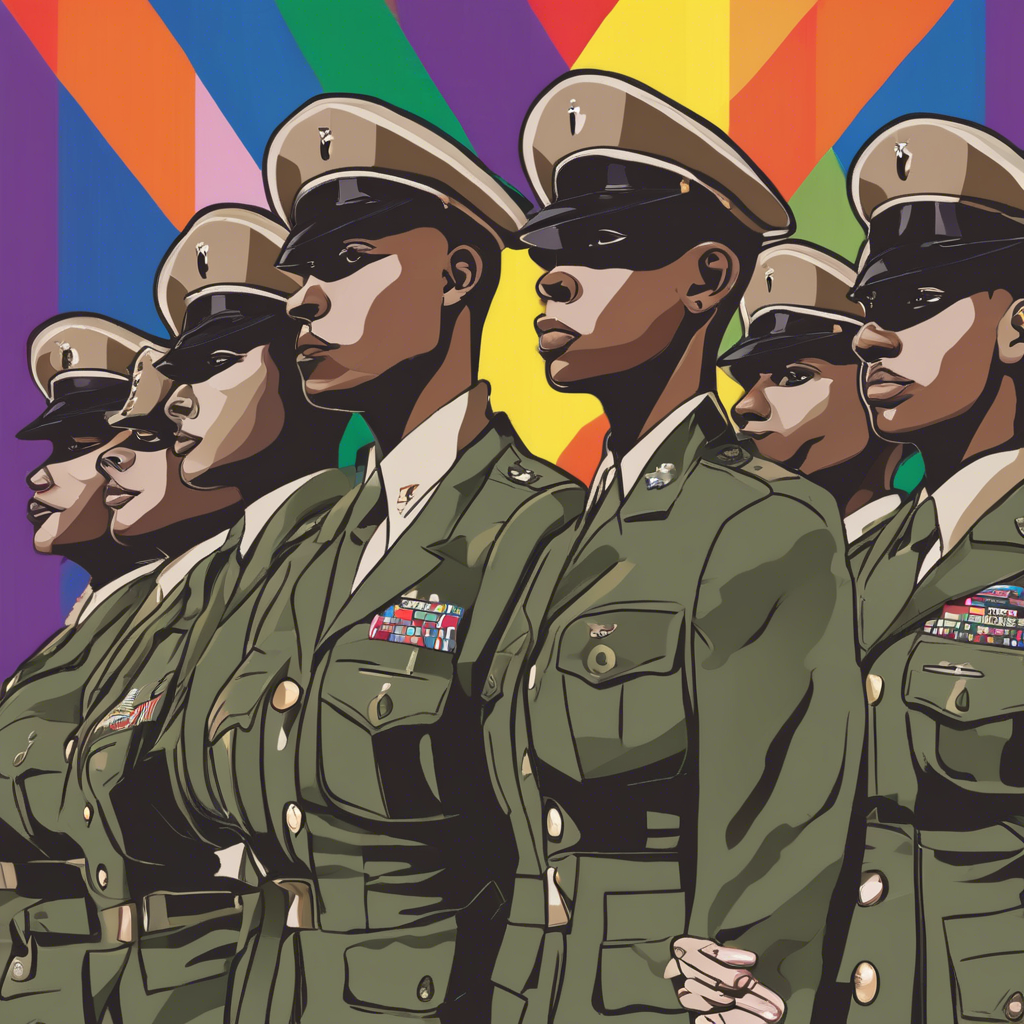
Supreme Court Allows Military to Ban Transgender Troops Amid Ongoing Legal Battle
The Supreme Court’s recent decision to allow the military to uphold its ban on transgender service members ignites a complex dialogue surrounding civil rights, military ethics, and societal norms. 💔 With this ruling, the court has not merely weighed in on national security but has stepped into a contentious arena that sits at the intersection of justice and identity.
The military’s policy, which has been under scrutiny since its inception, raises essential questions about inclusion and the implications for military effectiveness. Proponents of the ban argue that allowing transgender individuals to serve could disrupt unit cohesion and military readiness. However, opponents claim that the policy constitutes discrimination and infringes on the rights of qualified individuals wishing to serve their country. ⚖️
Understanding the Context of the Ruling
This ruling precedes a broader legal struggle involving transgender rights, particularly in areas of employment and healthcare. The foundational argument from opponents of the ban is grounded in the belief that sexual orientation or gender identity should not disqualify someone from serving in the armed forces. Research indicates that diverse units often outperform their less diverse counterparts, suggesting a potential flaw in the military’s rationale for the ban.
The arguments presented to the court encapsulated a spectrum of experiences. The American Civil Liberties Union (ACLU) reported that nearly 15,000 transgender service members actively serve in the military, a statistic that showcases the real-life implications of such decisions on the lives of individuals who aspire to protect their country.
The Impact on Transgender Service Members
For many transgender individuals, the Supreme Court’s ruling feels like a personal setback. The psychological impact of being forced to conceal one’s identity or leave a desired career path can be profound. Studies illustrate that LGBTQ+ individuals face higher rates of mental health issues and suicide, stemming from societal stigmas and discrimination. As the case continues through the judicial system, the looming uncertainty adds to an already prevalent anxiety experienced by many within the community. 🏳️⚧️
Legal Implications and Future Prospects
The Supreme Court’s decision does not mark the final chapter in this saga. Legal battles are set to continue as advocates seek to overturn the ban through court cases that emphasize equal protection under the law. Already, numerous nonprofit organizations are preparing to challenge the ruling, presenting evidence of the military’s evolving policies toward inclusion and acceptance.
“The fight for transgender rights is integral to our understanding of civil liberties in America,” explains legal scholar Dr. Sarah Jenkins. “This ruling doesn’t just affect those in service; it affects families, communities, and the very fabric of our nation.” 📜
Public Reaction and the Terrain of Opinion
Public sentiment around this ruling varies significantly across different demographics and political affiliations. While some assert that the military must prioritize traditional values and operational readiness, others argue that inclusivity strengthens the force. Polls indicate a growing acceptance of transgender individuals within the military, suggesting a societal shift toward greater empathy and understanding. 🌍
The Way Forward
As the legal process unfolds, the question remains: what does this mean for future military policies? The legal battles ahead present an opportunity for reform and discussion about the evolving nature of gender identity in American society. Advocates are calling for a re-examination of policies that govern not only military service but also healthcare, employment, and the rights of LGBTQ+ individuals across the nation.
While this ruling may set a precedent for ongoing discrimination, it also highlights the resilience and activism within the LGBTQ+ community. The pathway to equality often involves a protracted struggle; however, with changing perceptions and dedicated advocates, progress remains attainable. 🌈







I believe the Supreme Courts ruling on the transgender troop ban raises important questions about equality and military readiness. What are your thoughts on this?
I dont get why the Supreme Court is allowing this ban on transgender troops. Seems like a step backwards. #equalityforall
Agree. Discrimination has no place in the military. #EqualityMatters #TransRightsAreHumanRights
I dont get why this ban is still a thing. Let people serve their country, regardless of gender identity.
This ruling raises questions about equality in the military. Should personal identity affect ones ability to serve effectively?
Im torn on the Supreme Courts transgender troop ban. Its complex – do you think its fair or discriminatory? Lets discuss!
Does this ruling prioritize military effectiveness over individual rights? What about diversity and inclusion? #TransgenderRights #SupremeCourtDebate
I believe the Supreme Courts decision on the transgender troop ban is a step backwards for equality. #EqualityForAll #TransRights
I dont get why anyone would support banning transgender troops. It just seems unfair and discriminatory to me. #EqualityForAll
I think the Supreme Courts decision on transgender troops is unfair. Everyone deserves the right to serve their country.
I believe the Supreme Courts decision on the transgender troop ban raises important questions about equality in the military. What do you all think?
I cant believe the Supreme Court allowed the military to ban transgender troops. What about equality and inclusion? This ruling is a step backwards.