
 bucr
bucr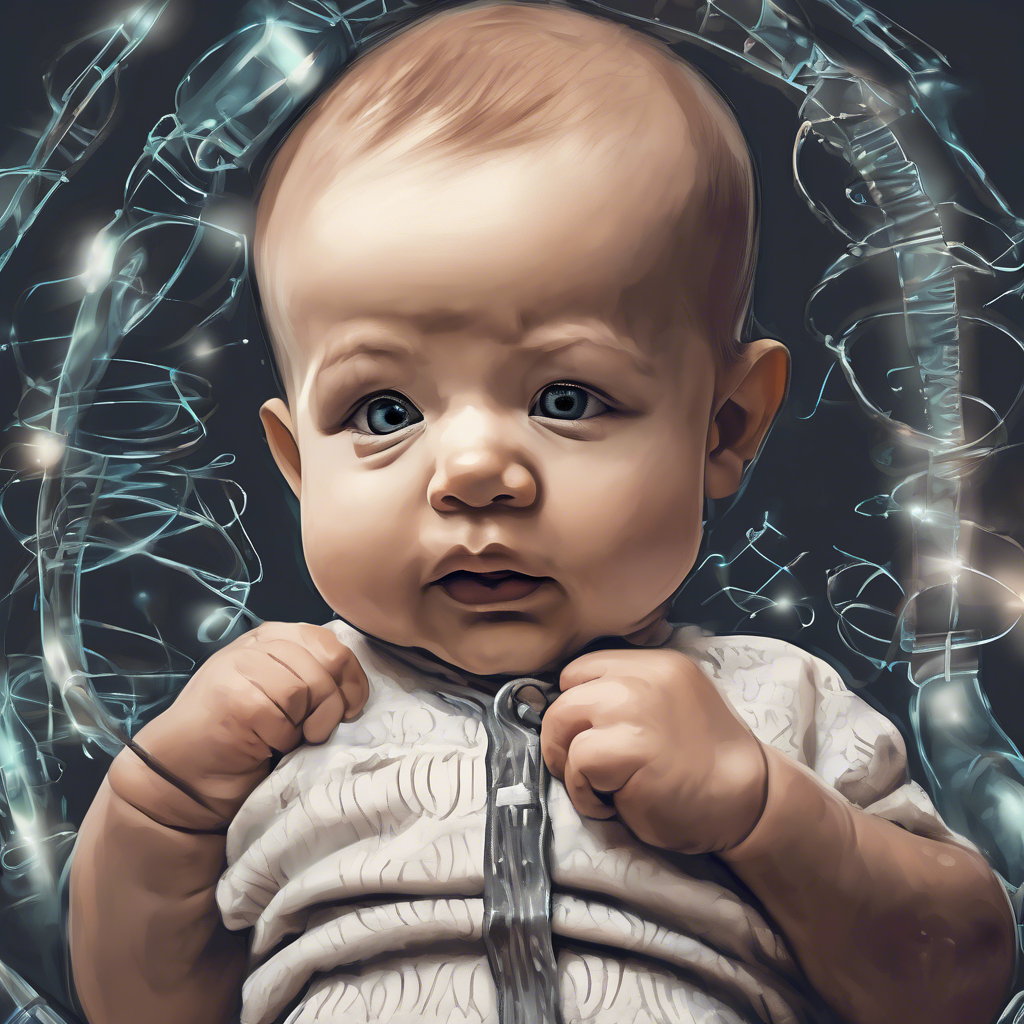
A Rare Disorder Threatened Baby KJ. Could a Race to Edit His Genes Save Him?
When an infant is born, parents often hold dreams of a bright future filled with laughter and endless possibilities. However, for baby KJ, that vision was unexpectedly clouded by the shadows of a rare and potentially deadly genetic disorder. 😟 Characterized by debilitating symptoms and a life expectancy significantly shortened, KJ’s fate was seemingly sealed under the weight of a diagnosis that few had ever encountered. But, in this age of scientific marvels, a flicker of hope emerged from unexpected quarters: gene editing technology.
The spotlight turned to CRISPR, the revolutionary gene-editing tool that has transformed the landscape of modern medicine. Could the ability to edit genes at the molecular level hold the key to curing KJ’s affliction, offering a lifeline to families facing insurmountable medical challenges? 🚀
Understanding KJ’s Condition: The Science Behind the Symptoms
KJ was diagnosed with a rare genetic disorder known as spinal muscular atrophy (SMA), a condition that affects the motor neurons in the spinal cord, leading to severe muscle atrophy and weakness. 💔 SMA is caused by a deficiency of survival motor neuron (SMN) protein, crucial for the health of neurons. In its most severe form, the condition can result in the inability to hold up one’s head, sit, or even breathe independently.
According to recent data, SMA affects approximately 1 in every 10,000 newborns, with many cases going undiagnosed until symptoms manifest. With each passing day, KJ’s struggle became more pronounced, inching closer to a crisis that demanded urgent action from the medical community. As his family grappled with the harsh reality of his diagnosis, they were confronted with another pressing question: Is it ethical to experiment with gene editing on infants? 🤔
The Promise of Gene Editing: How CRISPR Works
Enter CRISPR — a groundbreaking technology that allows scientists to make precise alterations to DNA, effectively correcting genetic defects, treating and preventing the spread of diseases. 🧬 The CRISPR-Cas9 system involves two key components: the Cas9 enzyme, which acts as molecular scissors to cut DNA at specific locations, and a guide RNA that directs Cas9 to the targeted sequence. This combination allows researchers to delete, insert, or modify portions of KJ’s genetic code to restore the production of the SMN protein.
“CRISPR isn’t just a tool; it’s a beacon of hope for children like KJ,” says Dr. Emily Harmon, a geneticist at the forefront of gene-editing studies. “With careful application and ethical considerations, we can change the trajectory of lives.” ✨
The scientific community’s enthusiasm for CRISPR is met with caution, underscored by an intricate web of ethical implications. Should we edit the genes of an infant who may not survive otherwise? What about the unforeseen consequences that might arise from such interventions?
The Race Against Time: Clinical Trials and Ethical Dilemmas
As KJ’s health teetered on the brink, his family faced the heart-wrenching decision of enrolling him in an experimental trial for a pioneering CRISPR treatment. The trial, overseen by prominent medical institutions, promised early-stage results that could significantly enhance KJ’s quality of life. But engaging in such experimental therapies raised the stakes. Would the long-term outcomes outweigh the risks? ⚖️
Informed consent processes are pivotal in trials like KJ’s, ensuring that families comprehend the potential benefits and risks involved. Dr. Harmon emphasizes the need for transparency in communicating the uncertainties inherent in gene editing: “Parents must be equipped with knowledge, weighing their child’s potential benefits against the unknowns.” 📜
The Broader Implications: Gene Editing Beyond SMA
While the focus is on KJ and others battling SMA, the implications of CRISPR extend far beyond this singular narrative. Research has shown that gene editing holds promise for a multitude of hereditary diseases, including cystic fibrosis, sickle cell anemia, and muscular dystrophy. 🌍 The race to refine and adapt these technologies continues to spark a global debate about accessibility and fairness in healthcare systems—who gets prioritized for these revolutionary therapies?
As KJ’s trial progresses, the healthcare community holds its breath in anticipation of the outcomes. Success could mark a monumental shift in treating genetic conditions and open doors for children facing similar fates. Yet, the shadows of ethical dilemmas linger—balancing innovation with caution remains paramount.
Moving Forward: A Future Written in DNA
Baby KJ symbolizes the crossroads of hope and uncertainty. With the convergence of advanced genetic treatments and the pressing need for ethical discourse, his story may soon transform into a beacon of what’s possible for future generations. 🌈 The promise of CRISPR technology could not only alter KJ’s fate but also pave the way for unimaginable advancements in medicine.
As the race to edit genes heats up, one can’t help but wonder—how far are we willing to go in pursuit of a cure? Will KJ’s story herald the dawn of a new chapter in our understanding of hereditary diseases? Only time will tell. 🌟







Do you think gene editing is the future of medicine, or are we playing with fire? Discuss! 🧬🔥
I cant believe the ethical dilemmas surrounding gene editing for Baby KJ! What a rollercoaster of emotions. Should we play God or let nature take its course?
Im torn on gene editing for Baby KJ. Is it a miracle or a slippery slope? Ethics vs. saving lives? What do you think?
Do you think gene editing is the future of medicine or a slippery slope? Ethical dilemmas abound! Lets discuss.