
 bucr
bucr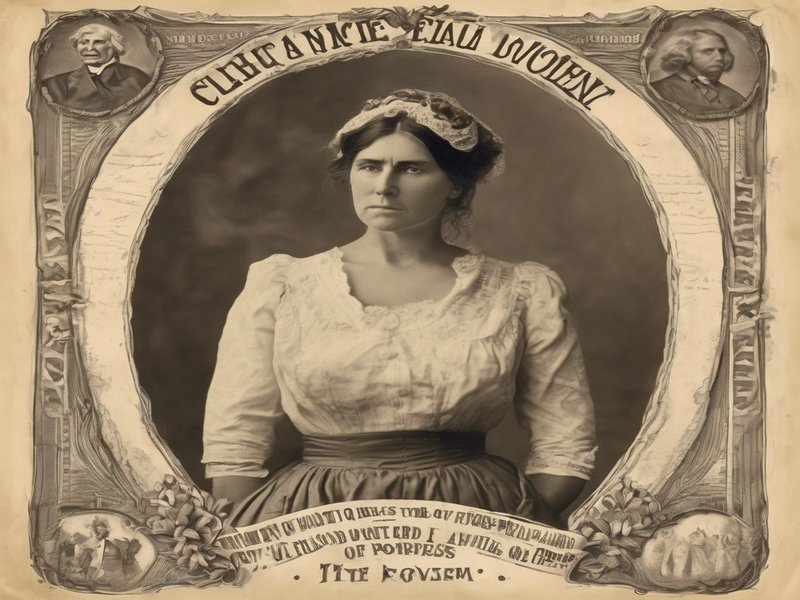
Prove Citizenship to Vote? For Some Married Women, It Might Not Be So Easy
In an era where showcasing identity is as crucial as ever, many married women in the U.S. are navigating an often convoluted path to prove their citizenship for voting — a right deemed sacred in democracy. Yet, as new voting laws tighten around identification, the intersection of marital status, documentation, and personal narrative becomes a battleground for disenfranchisement. 🤔
Consider Sarah Thompson, a 34-year-old mother of two living in Ohio. After marrying her husband, a natural-born citizen, she chose to adopt her married name. When she went to register to vote, however, she discovered a complication: her birth certificate did not match the name on her driver’s license. This small discrepancy thrust her into a labyrinth of bureaucratic challenges, a struggle not just to vote, but to assert her rights as a citizen. 🚶♀️
The Legal Landscape: Understanding Documentation Requirements
The legal framework surrounding voting eligibility is frequently shifting, often leaving individuals at a disadvantage. Many states require specific forms of identification to vote, and for married women, this often means grappling with the nuances of name changes and documentation.
According to a report by the National Conference of State Legislatures, at least 35 states have strict voter ID requirements. While these laws are ostensibly designed to prevent fraud, they can inadvertently disenfranchise swathes of the population. In particular, married women may find themselves caught in a bureaucratic web, oscillating between their maiden and married names in various documents.
Barriers Faced by Married Women: A Real Impact
The implications of this challenge extend beyond simple inconveniences. Research indicates that nearly one in four women who marry change their names to reflect their spouse’s surname. Many do not realize the potential complications that lie ahead, such as mismatches in voter registration. If a woman has not updated her identification documents to reflect her married name, she may find herself ineligible to vote on Election Day. 📅
Statistics show that women are disproportionately affected by changes in voting laws. For instance, findings from the Brennan Center for Justice reveal that states with strict ID laws see lower voter turnout, particularly among women and minority groups. This raises the question: does democracy truly represent the will of the people when a significant portion struggles to affirm their identity? 🗳️
Real-Testimony: Voices from the Frontlines
Testimonies from women echo the frustration that comes with navigating these hurdles:
“I never thought my marital status could hinder my right to vote. It felt like a slap in the face to be told I need to ‘prove’ who I am,” shares Lisa, a 29-year-old from North Carolina. “Despite being a U.S. citizen, I felt like a second-class citizen that day. I shouldn’t have to jump through hoops just to exercise my rights.”
Such personal narratives highlight a larger trend: a disconnect between the legal frameworks that govern voter registration and the everyday realities faced by women striving for representation in the political arena. Standees at polling places across the country often witness women being turned away due to minor discrepancies in their IDs. 🌍
Efforts for Change: Advocacy and Solutions
In response to these challenges, advocacy groups are rallying for reforms aimed at making voter registration more accessible. Organizations such as the League of Women Voters and the American Civil Liberties Union are leading the charge to educate women on their voting rights and assisting them in navigating the labyrinth of documentation.
Campaigns promoting Automatic Voter Registration (AVR) could serve as a potential solution. AVR systems automatically register eligible voters when they interact with certain government agencies, reducing the chances of documentation discrepancies that married women face. 🌟
Conclusion: Towards a More Inclusive Electoral Process
As the battle over voting rights rages on, it is essential to amplify voices like Sarah and Lisa’s, ensuring that the challenges faced by married women in proving citizenship do not go unnoticed. Ensuring access to the ballot box is not merely about legality; it is about equity, representation, and the very essence of democracy. Ensuring every woman can confidently step up to the polls, armed with the right to vote, is a collective responsibility we must navigate together as a society. 🔑




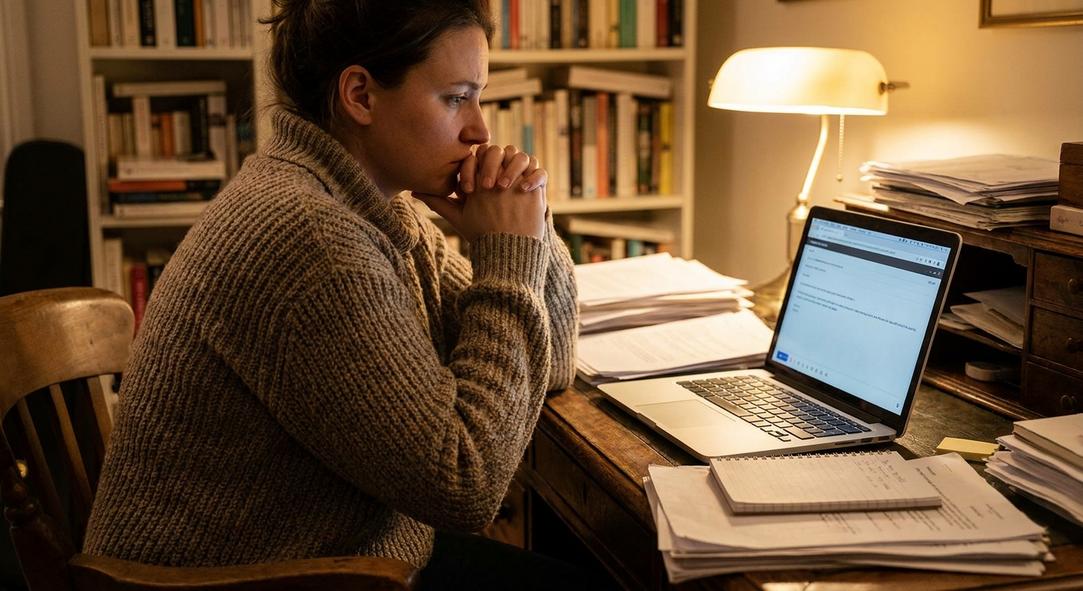


Wow, who knew proving citizenship to vote could be such a hassle for married women? Definitely an eye-opener! #VotingStruggles
Can you believe the hoops some married women have to jump through just to vote? Its 2022, not the 1920s!
Why should married women have to jump through hoops to prove citizenship for voting? Its unfair and needs to change!
Why do married women have to jump through hoops to prove citizenship to vote? Its 2021, not the 1800s!