
 bucr
bucr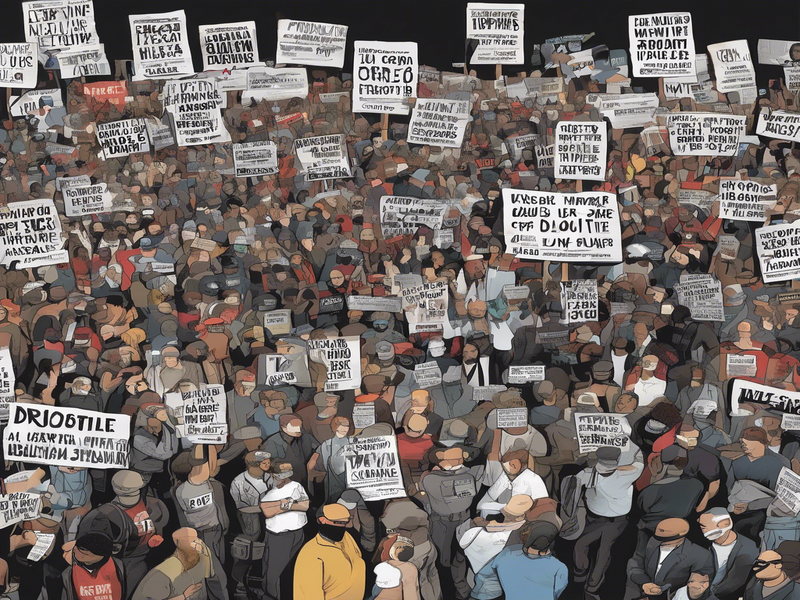
Journalists Come Under Fire Covering L.A. Protests
As the sun set over Los Angeles, the streets erupted in fervor. Protesters armed with chants and signs matched their intensity with those chronicling their passion: journalists. Yet, while documenting the unfolding narrative of a city’s vital issues, these reporters face unprecedented risks, challenges, and a ferocious spotlight that often puts them directly in harm’s way. With that context, the question emerges: What does it mean to be a journalist amidst these intense confrontations? 📸
On the Ground: A Dangerous Balancing Act
The tumultuous protests that have characterized recent years in Los Angeles expose journalists to not only criticism but genuine physical danger. From acrimonious confrontations with law enforcement to hostile exchanges with protestors, the environment remains tenuous. Statistics reveal a concerning trend—reports indicate that more than 80 journalists were injured or arrested during protests across the country last year alone, with L.A. being one of the hardest-hit locales.
“Nobody prepares you for the chaos of a live protest—it’s both electrifying and frightening,” remarked Alicia Torres, a local reporter who covered the recent demonstrations. “One minute, you’re reporting on a peaceful gathering, and the next, you’re dodging tear gas.”
The Press Under Pressure: Media Freedom at Stake
Media freedom is often touted as a cornerstone of democracy, yet the increasing hostility faced by journalists—both from law enforcement and fringe protest groups—raises urgent alarms. The Committee to Protect Journalists (CPJ) recently reported a sharp rise in press freedom violations in the United States, drawing attention to a troubling climate where misinformation flourishes while factual reporting is jeopardized.
- Arrests and Detainments: Instances where journalists are detained for doing their jobs have surged, often coupled with the chilling narrative of classification as ‘unlawful’ during protests.
- Physical Assaults: Reports of aggressive behavior aimed at journalists—ranging from verbal harassment to physical assaults—seem to peak during high-tension events.
Confronting Misinformation: A Journalist’s Dilemma
Compounding risk is a media landscape inundated with misinformation—a phenomenon rapidly spreading across social media platforms. In a polarized world, journalists find themselves wrestling not only to report facts but also to bolster their integrity amid a cacophony of contradictory narratives.
“It’s a perilous juggling act,” stated Daniel Reeves, a digital media analyst. “People want immediate information but can dismiss accurate reporting if it doesn’t align with their beliefs. The pressure—both to report quickly and accurately—has never been more intense.”
The Essential Tools of Resilience and Safety
As journalists navigate this high-stakes environment, tools of safety and resilience emerge as vital. Networks and organizations, including the Press Freedom Defense Fund, are stepping up to assist reporters facing legal ramifications while on duty during protests.
Key Strategies for Journalistic Safety:
- Preparation and Gear: Proper safety equipment, including helmets and goggles, is essential to mitigate the risk of serious injury during hostile situations.
- Crisis Training: Programs are being developed to train journalists in de-escalation techniques and situational awareness, providing essential skills for maintaining both safety and professionalism.
- Support Networks: Being in touch with editorial teams and fellow journalists can foster quick communication and affirmation, ensuring no one is left isolated amidst tumult.
The Broader Implications: Journalism in Crisis
The challenges faced by journalists during L.A. protests are emblematic of a broader crisis involving the media’s role in contemporary society. When the stakes rise within essential democratic dialogues, what are the implications for community trust and public discourse? As coverage continues to be scrutinized, the fear is that vital narratives may go untold due to the hazards of reporting.
Looking Forward: The Call for a Safer Press
The battle for a free and fair press is ongoing, even as journalists navigate through turbulent waters on the streets of Los Angeles. A supportive community and steadfast commitment to truth may determine the resilience of democracy itself. As these storytellers brave the storm, they remind us that their plight is as integral to the fabric of society as the stories they’re telling.
As one protestor pointed out while addressing a crowd: “You can’t silence the truth.” Those words ring true not only for the demonstration but encapsulate the unwavering spirit of journalism, even under fire, as they persist in the pursuit of accountability, transparency, and truth. 📰



Should journalists prioritize getting the story over their safety in dangerous situations like the L.A. protests? Lets discuss!
Do journalists have a duty to report the truth, even if it means risking their safety? Its a tough call, but necessary for democracy.
Do these journalists deserve more protection or is it just part of the job? Lets discuss!
Should frontline journalists prioritize their safety over getting the story? Its a tough call in the chaos of L.A. protests.