
 bucr
bucr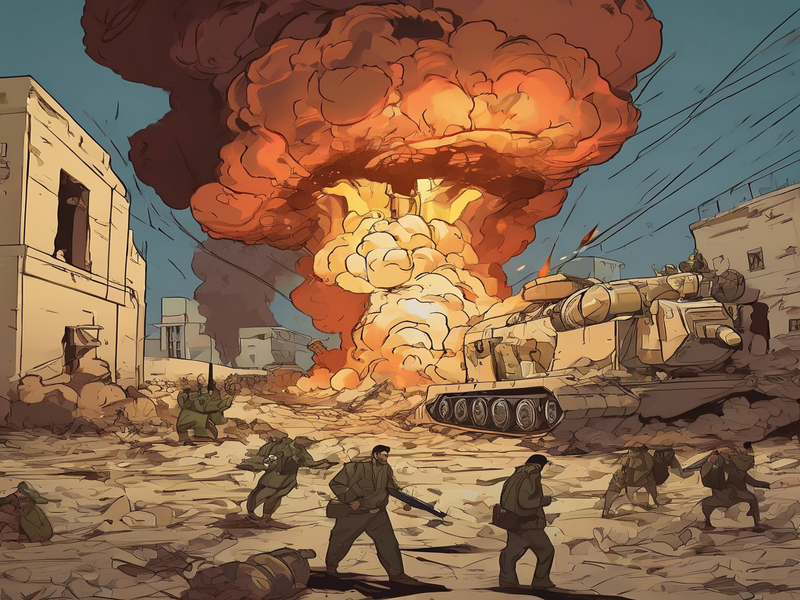
In Ordering Major Attack on Iran, Netanyahu Sheds His Inhibitions
As dawn broke over the eastern Mediterranean in early October, the world held its breath. Israeli Prime Minister Benjamin Netanyahu, known for his controversial policies and resilient stance against perceived threats, announced a major military operation targeting Iranian facilities. This decisive move signals a dramatic evolution in Netanyahu’s approach, raising questions about the future of regional stability in the Middle East and the implications for global diplomacy. 💥
For decades, Netanyahu has treaded carefully upon the geopolitical tightrope, balancing military resolve with the diplomatic repercussions of escalating tensions. However, this latest decision reflects a paradigm shift, shedding the traditional inhibitions that have characterized Israel’s approach to its complex adversary. The operation aims not only to cripple Iran’s nuclear ambitions but also to assert Israel’s dominance in a volatile region increasingly shaped by global power dynamics.
The Stakes: A New Military Doctrine
The scale of the operation has taken both allies and adversaries by surprise. Analysts suggest that Netanyahu’s aggressive stance could be perceived as a bid to bolster Israel’s defense posture amidst murmurs of shifting allegiances in the Middle East. Recent intelligence assessments have indicated a rush by Iran to enhance its nuclear program and regional influence, particularly through proxies in Lebanon and Syria.
Data from the International Atomic Energy Agency (IAEA) suggests that Iran has enriched uranium to levels that could allow for rapid weaponization. This development raises the specter of an unchecked nuclear arms race in a region already fraught with conflict.
The Diplomatic Landscape: Allies and Adversaries
Netanyahu’s calculated risk comes at a crucial time. Recent diplomatic overtures by Saudi Arabia toward Iran signal a potential thaw in years of enmity, creating unease in Jerusalem. The historical enmity between Israel and Iran has long been marked by proxy conflicts, intelligence operations, and rhetoric. With the United States also navigating its own foreign policy challenges, Netanyahu’s decision could further complicate already strained international relations.
“Netanyahu’s actions may not just be a consequence of military necessity; they also reflect a strategic recalibration in response to evolving dynamics in the region,” notes Dr. Emily Carter, a leading Middle East scholar. “He has essentially chosen to go all-in, aware that his premiership may hinge on this very decision.”
The Response: Domestic and International Backlash
Reactions within Israel have been mixed. While many support Netanyahu’s decisive action against Iranian aggression, critics warn that such an audacious move risks inflaming anti-Israel sentiment and exacerbating the humanitarian crisis in Palestine and Iran. Public opinion polls reveal a polarized electorate, with some advocating for diplomacy over military confrontation. 📊
Internationally, allies like the United States have offered cautious support but also urged restraint. Secretary of State Antony Blinken emphasized the need for diplomacy, warning against a spiral of violence in a region that has seen enough bloodshed. The diplomatic community is now grappling with how to respond effectively to this new reality, with calls for an urgent round of discussions involving key stakeholders such as the EU, Russia, and China. 🌍
The Implications: A New Era of Conflict or Coexistence?
Looking ahead, the implications of Netanyahu’s actions are profound. The prospect of a renewed conflict raises critical questions about Israel’s long-term security strategy and the viability of peace efforts in the region. Netanyahu’s government, under the spotlight, faces the daunting task of navigating this stormy political terrain while addressing the myriad security challenges that lie ahead.
The potential for miscalculation remains high; a single misstep could ignite further hostilities, turning a localized conflict into a regional conflagration. Such scenarios highlight the delicate balance of power that defines the modern Middle East. 🤔
Conclusion: The Call for Strategic Restraint
In summation, Netanyahu’s order for a major attack on Iran reflects not only a significant shift in military policy but also underscores the complexity of international relations in the 21st century. As Israel grapples with the consequences of its actions, the onus remains on leaders worldwide to ensure that the path toward peace and stability is not lost amidst the fog of war. The future hangs in the balance, and the stakes have never been higher.







Netanyahus aggressive move on Iran got everyone talking! Do you think it was brave or reckless? Lets discuss! 🤔🌍 #GlobalPolitics
Is Netanyahu playing with fire or securing Israels future? Lets discuss the implications of his bold Iran strike together!
Can we really trust Netanyahus aggressive actions towards Iran? Is he risking global stability for his own agenda? #GlobalConcerns
I cant believe Netanyahu went for such a bold move against Iran! Do you think it will escalate tensions even further?
Can we really trust Netanyahus bold strike on Iran? Is this the right move or a recipe for disaster? Lets discuss!
Does Netanyahus bold strike on Iran signal a new era of conflict? Or is it a reckless move with dangerous consequences? Lets discuss!
Is Netanyahus bold strike a strategic move or a reckless decision? Lets discuss the implications and potential consequences. What do you think?
Bold move by Netanyahu or reckless decision? Discussing global implications in a heated debate. Whats your take?
Bold move. Strong leadership requires tough decisions. Global impact must be considered carefully.
Isnt it wild how Netanyahus bold move on Iran is stirring up global reactions? The diplomatic drama is intense! #Netanyahu #IranStrike